Oxyburn: A Bold Vintage Display Font for Digital Designers
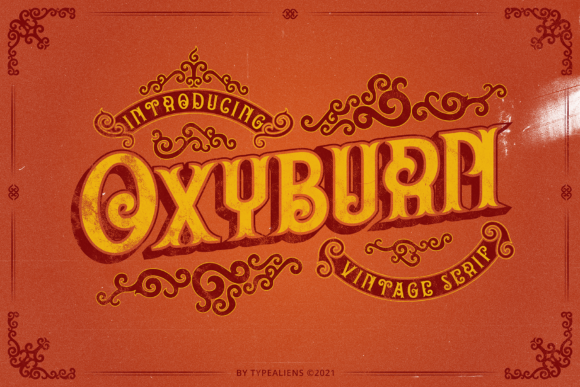
Oxyburn is a cool, bold and vintage styled display font — crafted for designers who need standout typography that communicates personality without sacrificing digital clarity. As a display font, Oxyburn isn’t built for long paragraphs or body copy; it’s engineered to command attention in high-impact moments: hero headlines, product launch banners, brand logotypes, and conversion-focused CTAs. Its strong letterforms, subtle distressed texture, and confident rhythm make it ideal for web designers building memorable, tone-driven digital experiences — especially where warmth, authenticity, or nostalgic charm supports the brand story.
Oxyburn for Landing Page Headers and Hero Sections
Oxyburn shines brightest in hero sections where first impressions drive engagement. Its bold weight and vintage character anchor a layout while signaling creative confidence — perfect for coaching websites, indie course platforms, or boutique SaaS tools targeting design-savvy audiences. When used at 48–72px on desktop (scaled responsively to 32–44px on mobile), Oxyburn delivers strong visual hierarchy without compromising legibility on modern screens. Pair it with a clean sans serif like Inter or Manrope for body text to ensure readability across devices and maintain clear typographic contrast.
Oxyburn for Online Store Banners and Product Launch Graphics
Oxyburn is a display font that adds instant character to e-commerce banners, flash sale announcements, and limited-edition product drops. Its vintage styling works especially well for lifestyle brands, handmade goods, apothecary shops, or retro-inspired apparel lines — reinforcing brand voice before users even read a word. For best results, use Oxyburn on light backgrounds with sufficient contrast (minimum 4.5:1), avoid tight letter-spacing below –10, and never stretch or skew the font. Since Oxyburn is a premium font designed for visual impact, it performs best when set as short, scannable phrases — “Summer Edit,” “Hand-Poured,” or “Just Dropped” — not full sentences.
Oxyburn for Digital Presentations and Pitch Decks
When presenting to stakeholders, investors, or clients, Oxyburn brings authority and distinctiveness to slide titles and section headers. As a display font, it avoids the fatigue of overused system fonts while remaining professional — unlike overly ornate script or decorative fonts that distract. Use Oxyburn for slide titles only; keep body copy in a highly legible sans serif. On dark-mode slides, apply a subtle white stroke or soft drop shadow to ensure crisp rendering. Because Oxyburn is optimized for digital designing, its vector outlines hold up cleanly at any resolution — no pixelation, no anti-aliasing blur, even when exported to PDF or embedded in Figma presentations.
Oxyburn for Greeting Cards Making and Branded Email Headers
Oxyburn is a display font that translates beautifully into branded digital touchpoints — especially email headers, newsletter banners, and automated welcome sequences. Its vintage charm pairs naturally with warm color palettes and hand-drawn UI elements, making it ideal for wedding planners, stationery designers, or small-batch creatives building cohesive brand kits. For accessibility, always pair Oxyburn headings with alt-text descriptions in email HTML and ensure fallback fonts load gracefully. Since Oxyburn is a commercial font, verify your license includes email template usage — most standard licenses cover web and digital assets, but double-check for bulk-send platforms like Mailchimp or Klaviyo.
Oxyburn for Crafting Brand Identity Systems and Digital Style Guides
Oxyburn isn’t just another decorative font — it’s a strategic tool for defining brand tone at the type level. When used consistently across website headers, app onboarding screens, social media graphics, and digital ad creatives, it builds recognition faster than logos alone. As a display font, Oxyburn works best when supported by a neutral secondary typeface (e.g., Lato for UI labels, Source Serif Pro for editorial blog content). Its boldness means it rarely needs extra weight — avoid faux-bold rendering. Check your Oxyburn package for webfont formats (.woff2 recommended), OpenType features, and multilingual support if serving global audiences.
Oxyburn for Mobile App Screens and UI Headlines
Oxyburn performs surprisingly well on mobile UIs — provided it’s used intentionally. Reserve it for top-level screen headers (e.g., “Your Weekly Goals,” “New Collection”) rather than navigation labels or button text. At 24–28px on iOS and Android, its sturdy letterforms remain legible even on smaller viewports. Avoid using Oxyburn for dynamic text fields or auto-resizing containers — its fixed metrics are optimized for static, high-impact placement. As a display font, it should complement, not compete with, interface clarity. Test contrast against both light and dark mode backgrounds; consider providing a simplified alternate version for accessibility modes if required.
Oxyburn for Creative Portfolio Websites and Designer Showcases
If you’re a UI designer, illustrator, or digital product creator launching a portfolio site, Oxyburn gives your work immediate visual distinction. Its bold vintage styling signals craftsmanship and intentionality — aligning perfectly with clients seeking thoughtful, human-centered design. Use it for project titles (“Brand Refresh for Oak & Ember”), case study headers, and testimonial accents. Since Oxyburn is a display font built for digital designing, it loads efficiently as a self-hosted webfont and integrates smoothly with modern CSS @font-face declarations. Just remember: limit usage to 1–2 weights max per page to preserve performance and visual cohesion.
Font Licensing Notes for Web Designers and Agencies
Oxyburn is a commercial font — meaning proper licensing is required for client websites, SaaS dashboards, online stores, and digital templates sold on marketplaces like Envato or Creative Market. Most standard licenses cover unlimited web projects, but always confirm whether your plan includes extended rights for white-label products, resellable design systems, or embedded usage in web apps. Never upload Oxyburn to third-party font hosts without permission — self-hosting via your own CDN ensures compliance and optimal loading speed.